The best time to visit Kerala: a month-by-month guide
Weather, crowds, festivals and prices through the year, and which months suit walking, beaches and the hills.
Kerala has two monsoons and no real winter. Any month can be a good month here, but they feel very different, and the difference is worth planning around. Remember that the hills are always several degrees cooler than the coast: Munnar can need a jacket on an evening when Fort Kochi is warm.
December to February: dry and busy
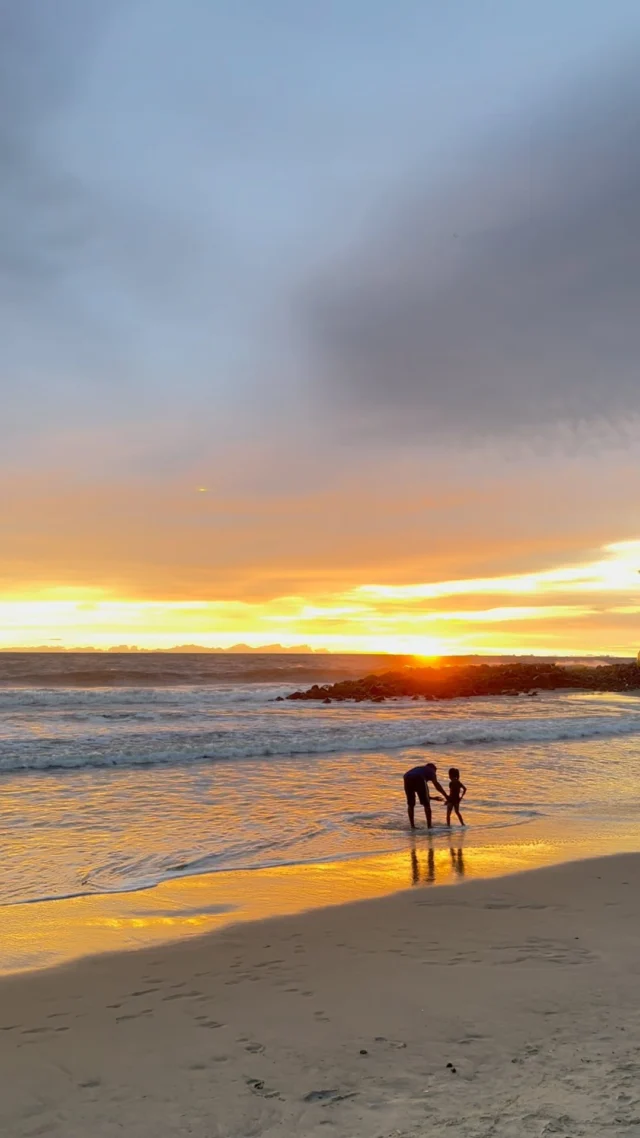
The most comfortable weather of the year and the peak tourist season. Clear skies, warm days on the coast, cool mornings in the hills. Prices are highest around Christmas and New Year, and popular places are full, so book early. Best for beaches, backwaters and long walks.
March to May: hot and humid
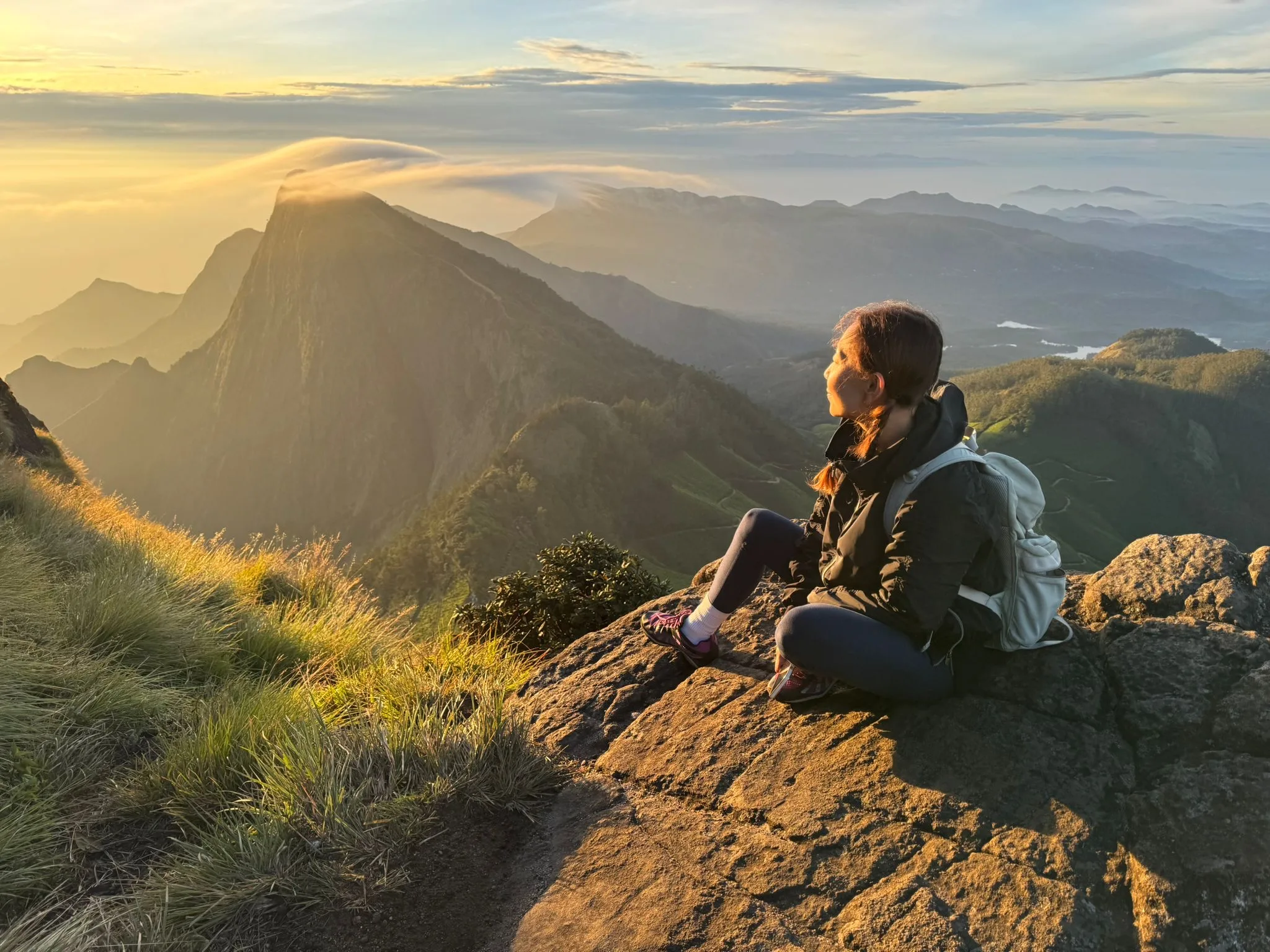
The coast becomes hot and sticky, and humidity builds towards the monsoon. The hills stay far more pleasant, which makes this a good season for Munnar. Pre-monsoon thunderstorms appear in the afternoons, often clearing to bright evenings. Fewer visitors than in winter.
June to August: the southwest monsoon
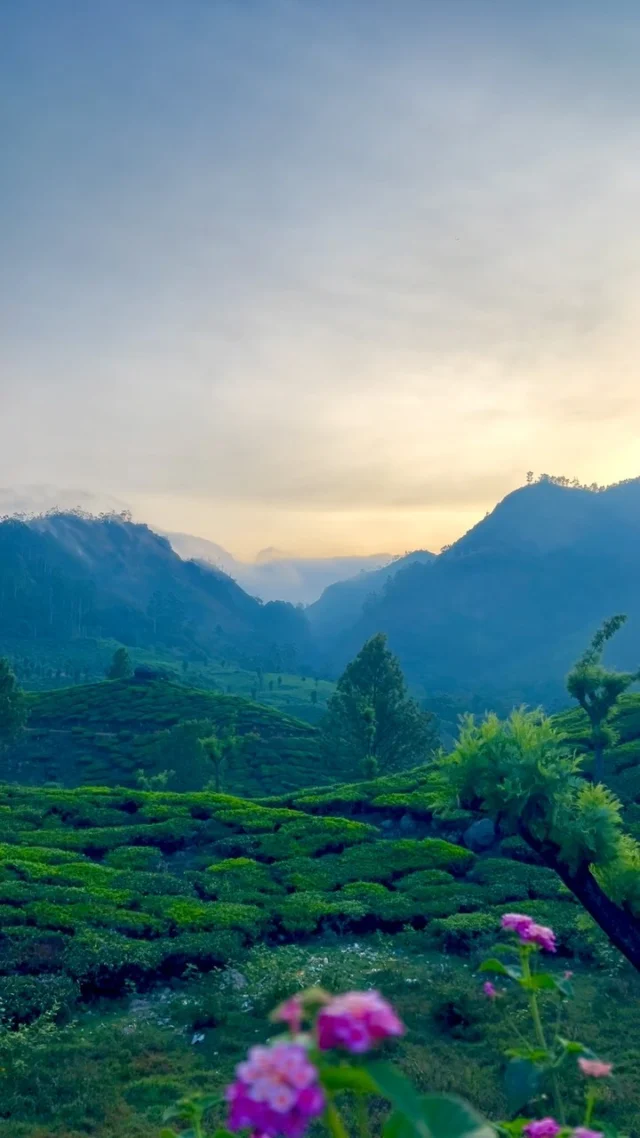
The rains usually arrive in the first days of June. This is the dramatic Kerala: waterfalls in full flow, rice fields flooded, tea hills vivid green, mist moving through the valleys. Rain often comes in heavy bursts rather than all day. There are fewer travellers, and it’s traditionally the season for Ayurvedic treatments, when the air is cool and damp. Pack a rain jacket and expect plans to move around.
September to November: green and easing
The southwest monsoon fades through September, leaving everything lush. October and November bring the northeast monsoon, usually as afternoon or evening showers rather than continuous rain, with clear mornings in between. A good compromise season: green landscapes, moderate crowds, and walking weather if you start early.
Festivals worth knowing about
- Onam, Kerala’s harvest festival, falls in August or September in most years, with feasts, boat races and flower carpets.
- Thrissur Pooram, a huge temple festival, usually falls in April or May.
- Christmas and New Year are lively in Fort Kochi, and the busiest weeks of the year.
- The Kochi-Muziris Biennale, a major contemporary art exhibition, takes over Fort Kochi in some winters. Check the current dates before planning around it.
So when should you come?
For the easiest weather, come between December and February. For green landscapes and fewer people, come between June and September. For the hills specifically, March to May is more comfortable than the coast.
Our 2027 retreats run in April, June, September and October, which covers most of that range. We wrote about what each of those weeks tends to feel like, and the dates are here.