Your first yoga retreat: what a week actually looks like
You do not need to be flexible, experienced or calm. Here is the honest shape of a week, from the first morning to the last.
Most people arrive at their first retreat quietly worried about the same things: that everyone else will be more advanced, that two hours of yoga a day will be too much, and that they'll feel out of place. Almost nobody says it out loud. Here's what actually happens.
Who comes on retreat
A typical group is mixed: people who practise weekly at home, people who tried yoga once, couples where one is keen and the other is curious, and solo travellers building a trip around a week of structure. Ages vary widely. Good teaching works at every level, because each posture can be made simpler or deeper.
The shape of a day
Retreats vary, but most days follow a rhythm: practice in the morning when the air is cool, something active or cultural through the middle of the day, and something quieter in the evening.
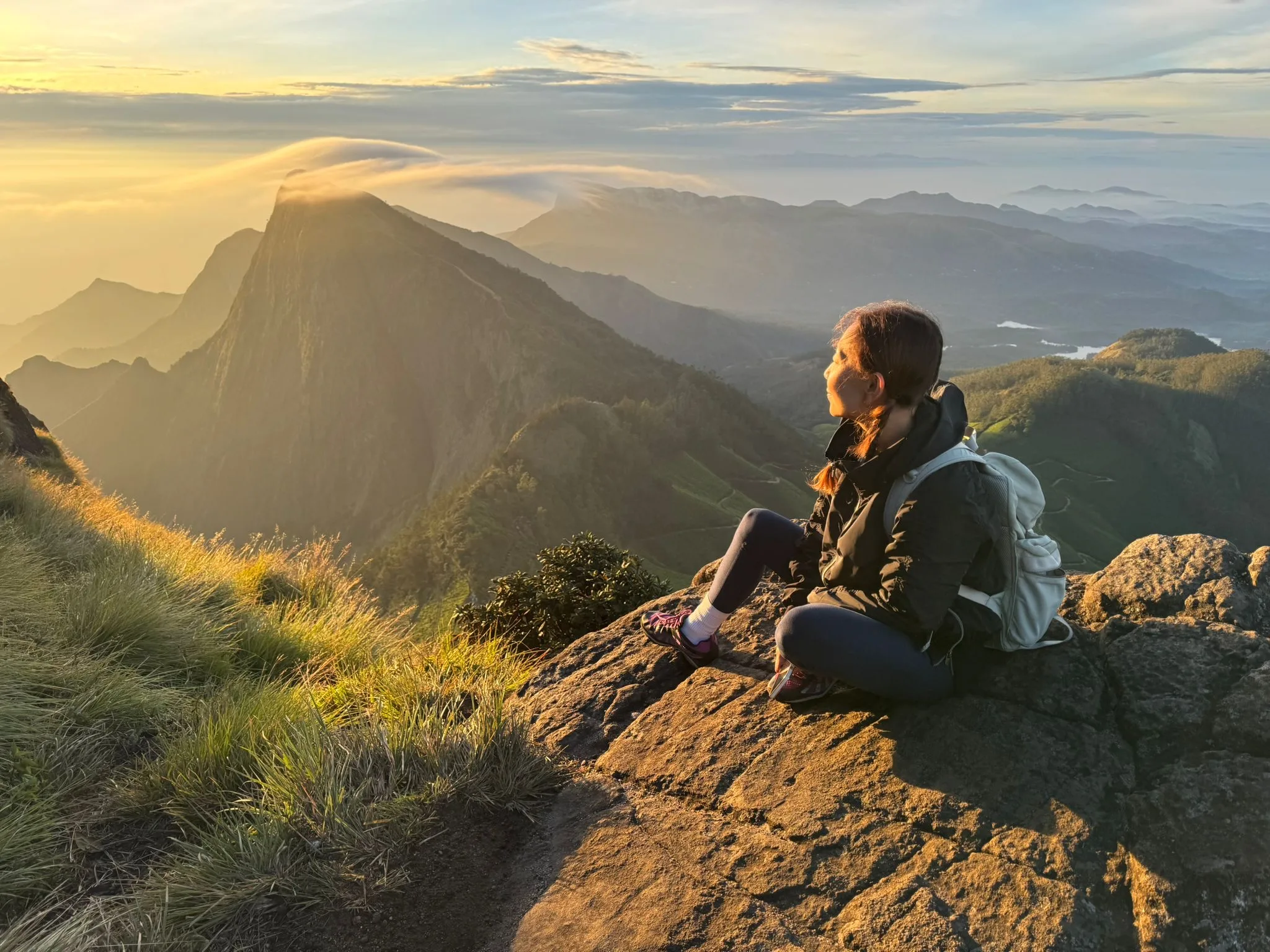
On our week, mornings are yoga and pranayama breathwork, the middle of the day is tuk-tuk sightseeing and culture in Fort Kochi or trekking, river swims and wildlife in Munnar, and evenings are meditation and a shared Kerala meal. Days shift with the weather and the place, which is part of the point.
The first day
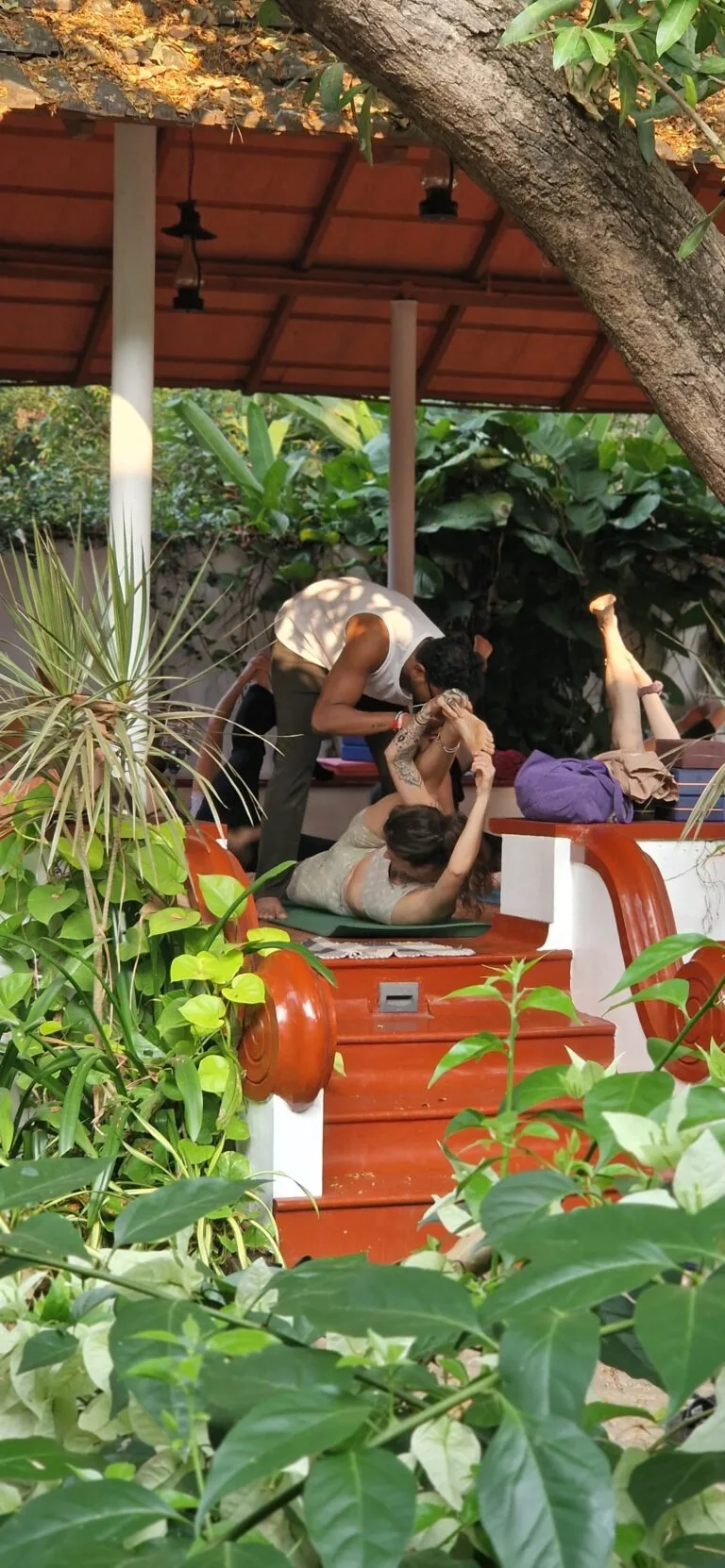
You arrive, you're collected from the airport, and you mostly settle in. The first practice is usually gentler than you expect, because a good teacher is watching how everyone moves before asking for more. You'll be asked about injuries; answer honestly, including old ones.
Days two and three
This is when people feel it. Muscles you'd forgotten announce themselves, and the unfamiliar food, heat and early mornings add up. It passes. Rest when you need to, drink more water than feels necessary, and take the option to sit out a posture. Resting in a class is a skill, not a failure.
The middle of the week
Something usually shifts around day four. The practice stops feeling like an event and starts feeling like a rhythm. People sleep better. Conversations at meals get longer and phones come out less. This is the part people are describing when they say a retreat changed something for them.
What you don't need
- Flexibility. You practise to become more flexible, not the other way around.
- Experience. Beginners are normal on retreat, and teachers expect them.
- A perfect diet or a silent mind. Neither is a requirement for anything.
- Expensive kit. Comfortable clothes you can move and sweat in are plenty. Our packing guide has the full list.
How to prepare in the weeks before
If you can, practise gently once or twice a week beforehand, so the first morning isn't a shock. Walk a little more. If you're flying a long way, arrive a day early if your budget allows; the first practice is much better without overnight travel behind you.
Small things worth knowing
- Arrive a few minutes early so you're not rushing onto the mat.
- Tell the teacher before class if you don't want hands-on adjustments. That's a normal request.
- Eat lightly before practice.
- Expect some quiet. Not every moment is a conversation.
If you're still nervous
That's normal, and it's usually gone by the second morning. If you'd rather ask first, message us and tell us what you're unsure about. We'd rather answer ten questions than have you spend the first day worrying about whether you belong. You can also see the whole week laid out day by day.