Pranayama for beginners: three simple breathing practices
What pranayama is, three practices you can start safely at home, and the cautions worth taking seriously.
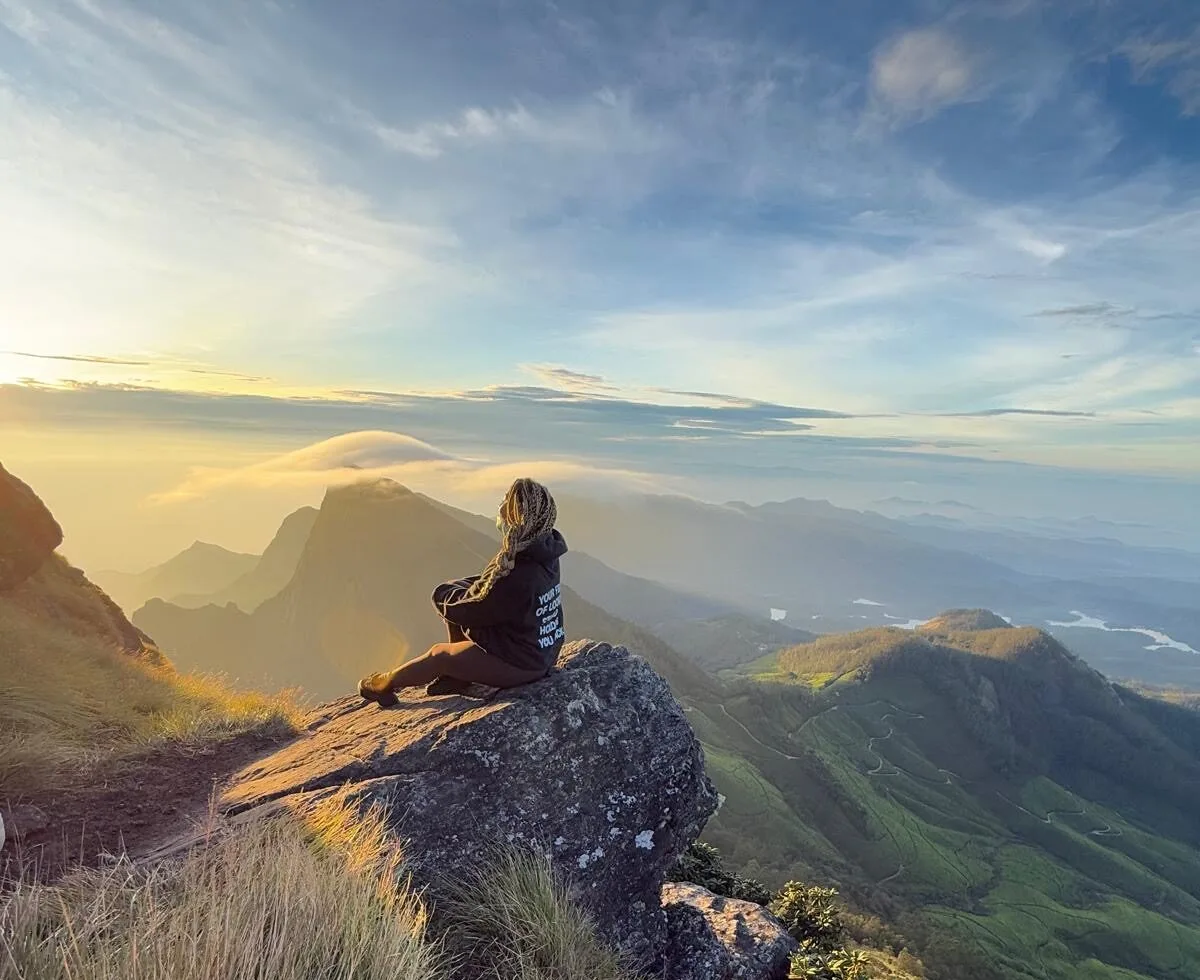
Pranayama is the practice of working with the breath. In the yoga tradition it sits between the physical postures and meditation: the body has been prepared, and the breath becomes the way to steady the mind before sitting still.
These three practices are widely taught and gentle enough to begin at home. A few sensible rules apply to all of them:
- Practise on an empty or light stomach, ideally in the morning.
- Sit comfortably with a long spine, on a chair or cushion.
- Breathe through the nose unless told otherwise, and never strain.
- Stop and breathe normally if you feel dizzy, breathless or anxious.
- Leave breath retention and forceful practices to a teacher’s supervision.
- If you are pregnant, or manage asthma, heart or blood pressure conditions, or any respiratory illness, ask your doctor and tell your teacher before starting.
1. Three-part breath
Sit and rest one hand on your belly and one on your ribs. Breathing in through the nose, let the belly expand first, then the ribs widen, then the chest fill. Breathing out, let it empty in reverse: chest, ribs, belly. Keep it smooth and unhurried for five to ten breaths.
This is the foundation. Most people breathe only into the upper chest, especially when stressed, and simply reclaiming the full range is calming.
2. Extended exhale
Breathe in for a count of four, then out for a count of six. If six feels long, use three and five. Continue for two or three minutes, keeping both the inhale and exhale even rather than forcing the count.
Lengthening the exhale is the practice people find most immediately useful, and it works as well at an airport gate as on a mat.
3. Alternate nostril breathing
Known as nadi shodhana. Rest your right thumb beside your right nostril and your ring finger beside your left. Close the right nostril, breathe in through the left. Close the left, release the right, breathe out through the right. Breathe in through the right, close it, breathe out through the left. That is one round. Build up to five or six rounds, then sit quietly.
Keep the breath soft throughout. If your nose is blocked, skip it for today.
How long, and how often
Five minutes daily does more than half an hour once a week. Many people add it after postures or before bed. If you fall asleep afterwards, that’s not a failure.
On retreat
Pranayama is part of our morning practice, taught alongside the postures, with meditation in the evening. If you already have a practice, bring it and tell us; if you don’t, the morning sessions are a good place to start. See how we teach or the retreat week.